8 Creative Alternatives to Displaying Your Photos (Beyond Traditional Frames)
As photographers, we spend a lot of time thinking about composition, light, and timing. We obsess over getting the shot just right. But once the photo is taken, edited, and exported, there’s one step that often gets overlooked: how the photo is actually displayed.
A photograph shouldn’t disappear into a hard drive or live its entire life as a tiny thumbnail on a phone. The way an image is presented affects how it’s experienced, and remembered. Fortunately, displaying your photos doesn’t have to mean a single framed print on a wall. There are plenty of creative, flexible, and meaningful ways to showcase your work.
Here are eight alternatives that work beautifully for photographers and photo lovers alike.
Photo Tiles
One of the easiest and most flexible options is photo tiles. These lightweight, adhesive-backed prints allow you to stick, remove, and rearrange photos without damaging your walls. They’re perfect if you like to rotate images, experiment with layouts, or update your display as your photography evolves. Tiles come in different sizes and finishes, making it easy to create a clean, modern look that still feels personal.
Gallery Wall
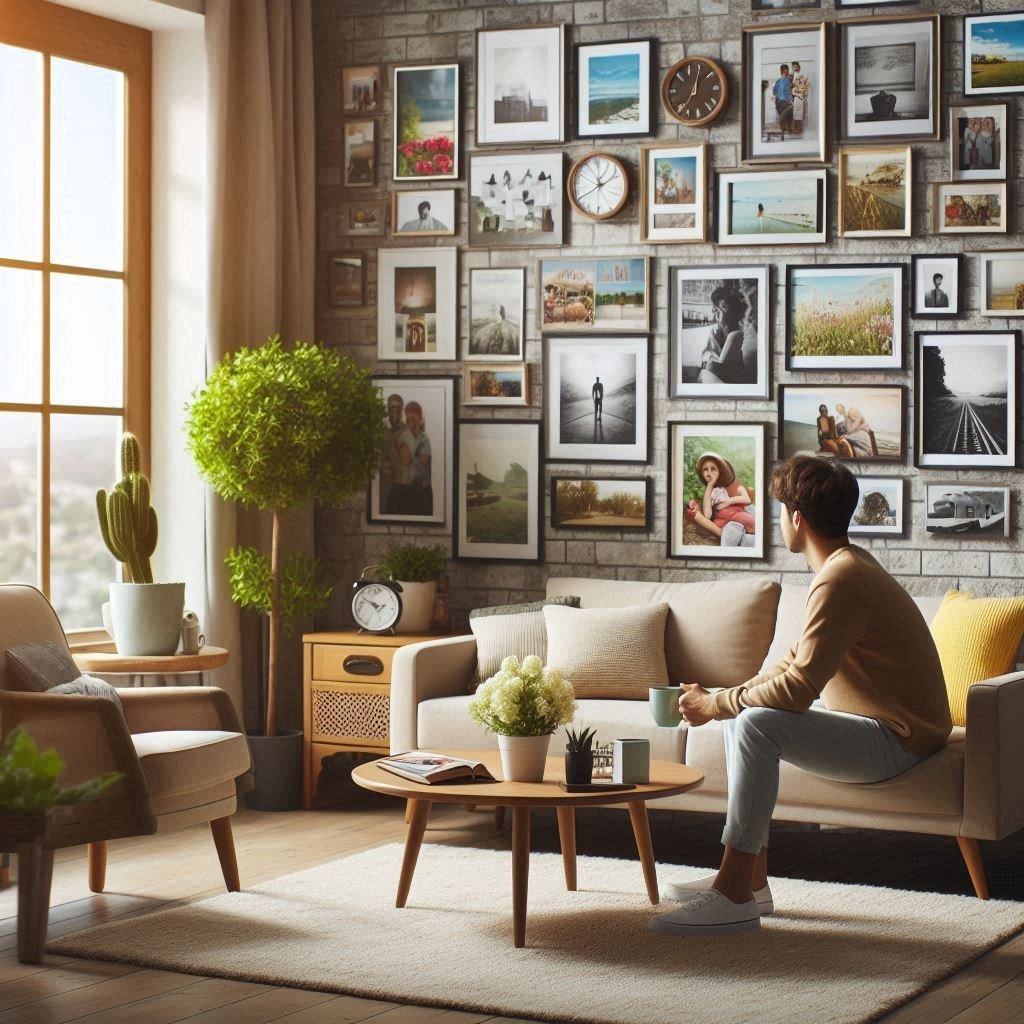
If you’re looking for something more permanent and visually impactful, a gallery wall can turn a blank space into a story. Instead of hanging random images, think about how your photos relate to one another. A gallery wall can showcase a single shoot, a long-term project, or even a mix of styles as long as there’s some visual balance. Consistent spacing and thoughtful placement keep the wall from feeling cluttered while allowing each image to stand on its own.
LED Photo Frames
For a more contemporary feel, LED photo frames add both light and drama. These frames illuminate your images, making them especially effective for photos with strong contrast or moody lighting. They work well in offices, studios, or living spaces where you want your photography to stand out in the evening. The key is subtlety, adjustable brightness helps ensure the photo remains the focal point, not the light itself.
Thematic Photo Wall
Another powerful approach is creating a thematic photo wall. Grouping images by a shared theme, travel, family history, wildlife, or a specific time period, adds depth and meaning to your display. Arranging photos chronologically or in small clusters helps guide the viewer through the story you’re telling. This works especially well for photographers who enjoy documenting journeys or long-term projects.
Photo Books
Not every photo needs to live on a wall. Photo books offer a completely different viewing experience. A well-designed book allows you to control pacing, sequence, and context in a way wall displays can’t. Chronological books can document growth over time, while curated collections highlight your strongest images. Adding captions or short notes turns a book into more than an album, it becomes a personal record of your work.
Themed Photo Books
Themed photo books take this idea even further. A book dedicated entirely to travel, portraits, nature, or a single year of shooting helps isolate and elevate a specific body of work. When creating these books, quality matters. Professional printing, good paper, and solid binding ensure the book lasts for years and does justice to the images inside.
Digital Photo Frames
For something more dynamic, digital photo frames have become an excellent option. Modern frames offer high resolution, cloud syncing, and even video support. Instead of displaying a single image, you can showcase an entire rotating collection. They’re perfect for desks, shelves, or anywhere wall space is limited. My parents have one, and my brother and I and the grandkids constantly send new photos to their account. The frame updates automatically, turning it into a living, ever-changing gallery. My wife and I have recently just picked one up ourself!
Photos can also be integrated into everyday life in creative ways. Shadow boxes allow you to combine images with small mementos, adding depth and dimension to your display. Calendars, magnets, puzzles, and other photo-based projects turn images into functional items that still carry emotional weight. These kinds of displays are especially meaningful for family photos, travel memories, or special events.
Online Galleries
Beyond physical displays, online galleries play an important role as well. Social platforms like Instagram or Pinterest can function as curated galleries when used intentionally. Grouping images by theme or project makes them more engaging than a random stream of photos.
A personal photography website takes this a step further by giving you full control over layout, image size, and storytelling. You decide how your work is seen and experienced. Paired with cloud-based photo storage, services like Google Photos, iCloud, or Dropbox, you can keep everything organized, backed up, and accessible. For extra peace of mind, I keep my photos on two external hard drives as well as Google Photos. Both drives are mirrored with the same images and albums. The odds of both failing at the same time are slim, and that redundancy is worth it.
Final Thoughts
Displaying your photos is an extension of the creative process. Whether they’re printed, framed, digitized, or bound into a book, the way you present your images shapes how people connect with them, including you.
Don’t let your photos disappear into storage. Experiment, rotate your work, and tell stories with how you display it.
And now that you’ve got a few ideas…
Go out and take some photos!!!
Dive Deeper
📸 Photography 101: Master the basics
⚙️ Gear & Maintenance: Protect your investment
🔭 Beyond the Lens: Find your creative voice
Did you enjoy this post? If you want to keep up with my latest work, get notified when new prints go on sale, or receive more tips like these, consider subscribing to my weekly update. I send out one email every Friday to share what I’m working on and what I’ve learned behind the lens. No spam, just photography.